

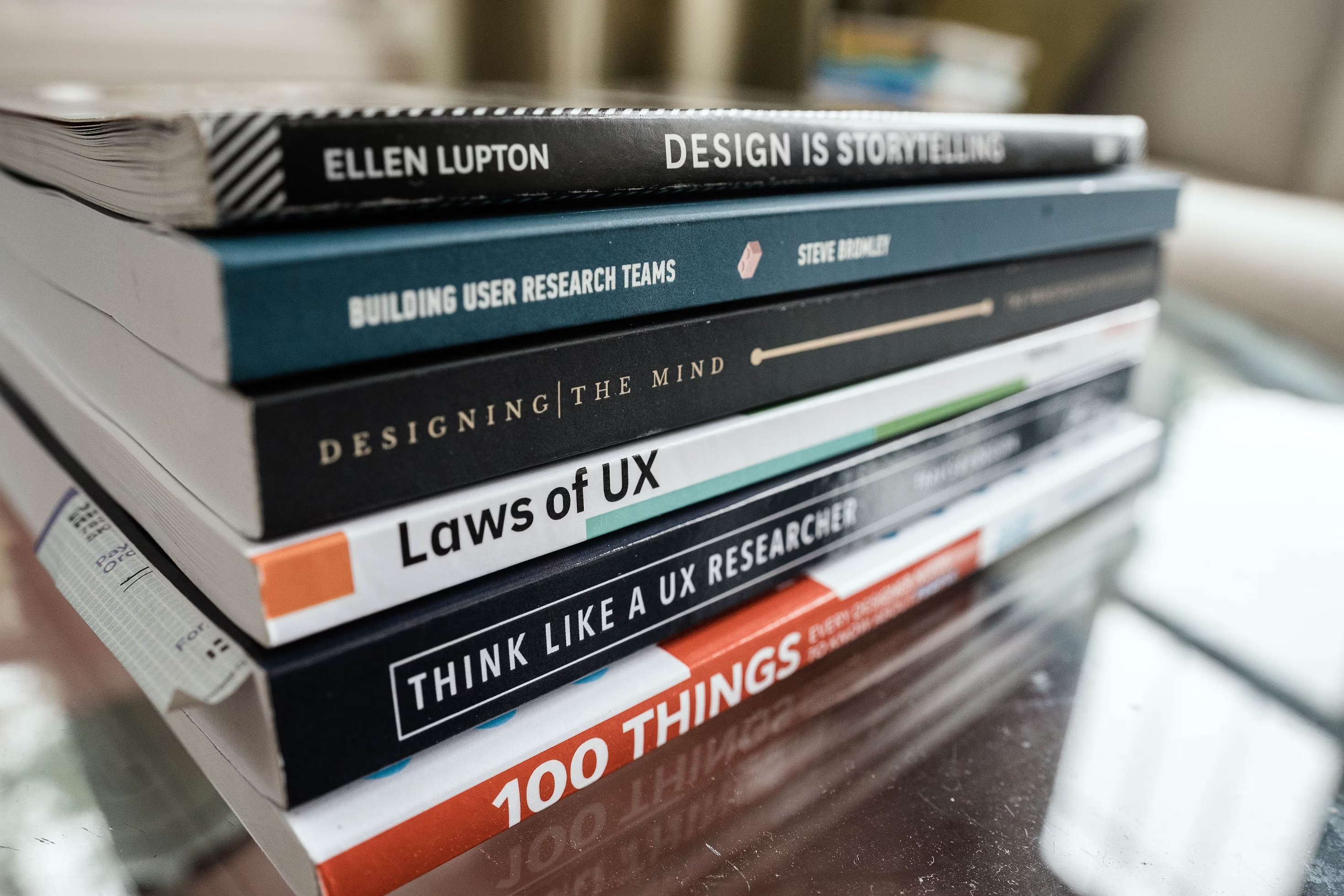
The Importance of User Experience (UX) in Web Design

In today’s competitive digital landscape, simply having a website isn’t enough. It needs to be designed with the user in mind to ensure a positive experience. User Experience (UX) is a critical factor in web design that can make or break the success of your website. Here’s why UX is so important and how it can benefit your business.
What is User Experience (UX)?
UX refers to how a user interacts with and experiences a product or service, particularly digital interfaces like websites and apps. It encompasses everything from the site’s layout and navigation to the emotional response users have when engaging with the content.
Why UX Matters
Improves User Engagement
A well-designed UX keeps visitors engaged by making it easy for them to find what they’re looking for. Clear navigation, intuitive design, and relevant content all contribute to a seamless user experience.
Increases Conversion Rates
A positive UX can significantly impact conversion rates. When users can easily navigate your site and find the information they need, they’re more likely to take action, whether it’s making a purchase, filling out a form, or subscribing to a newsletter.
Enhances Customer Satisfaction
A website that meets users’ needs and exceeds their expectations fosters customer satisfaction. Satisfied customers are more likely to return, recommend your site to others, and become loyal advocates for your brand.
Boosts SEO Rankings
Search engines like Google consider UX as a ranking factor. Sites that offer a good user experience are more likely to rank higher in search results, driving more organic traffic to your site.
Reduces Bounce Rates
High bounce rates can indicate that your site isn’t providing a good user experience. By optimizing UX, you can keep visitors on your site longer, reducing bounce rates and increasing the chances of conversion.
Key Elements of Good UX Design
- Simplicity: Keep the design clean and uncluttered. Avoid overwhelming users with too much information or complex layouts.
- Accessibility: Ensure your site is accessible to all users, including those with disabilities. This includes using alt text for images, providing keyboard navigation, and ensuring content is readable by screen readers.
- Speed: Optimize your site for fast load times. Users expect websites to load quickly, and a slow site can lead to frustration and abandonment.
- Mobile-Friendliness: With the majority of web traffic coming from mobile devices, it’s essential to have a responsive design that works well on all screen sizes.
Conclusion
Investing in UX is not just about making your website look good; it’s about creating a functional, enjoyable experience that meets the needs of your users. By focusing on UX, you can improve engagement, satisfaction, and conversions, ultimately driving the success of your business. If you’re looking to enhance your website’s UX, consider working with a web developer who understands the importance of user-centered design.